Inca Jungle Trek to Machu Picchu: Biking, Zip Lines & more
If you think that trekking to Machu Picchu is all about solemnly marching through ancient ruins while pondering the mysteries of life, think again! Welcome to the inca jungle Trek to Machu Picchu, where adventure meets adrenaline in the most enjoyable way possible. Picture this: you’re zipping through the treetops at breakneck speed, pedaling downhill like your life depends on it, and soaking in breathtaking views that make your Instagram feed practically weep with envy. This isn’t just a trek; it’s a wild ride where you’ll dodge llamas, conquer mountains, and embrace the spirit of the Inca like never before. So strap on your helmet, and get ready to swap history lessons for heart-racing fun as you embark on one of the most exhilarating journeys to one of the world’s most iconic destinations!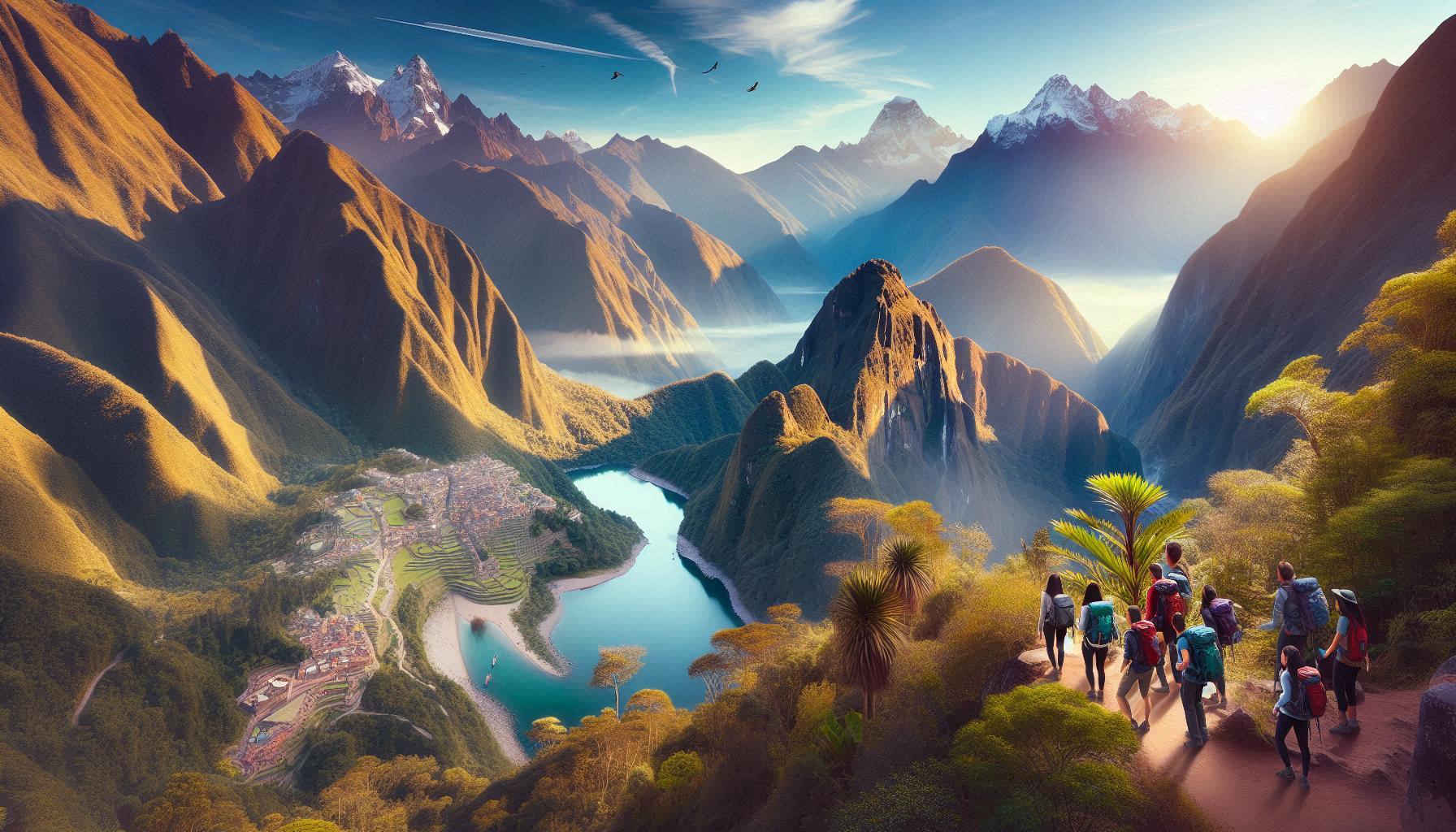
Exploring the Inca Jungle Trek: Overview of the Adventure Experience
Embarking on the Inca Jungle Trek offers an exhilarating blend of adventure, culture, and breathtaking scenery. This multi-day journey to Machu Picchu unfolds across diverse landscapes, from lush jungles to rugged mountains, giving trekkers the chance to experience the real heart of Peru. Participants can expect a variety of exhilarating activities that enhance the experience and challenge the spirit.
Among the highlights of the trek are:
- Mountain Biking: Kick off the adventure with a thrilling downhill bike ride through stunning Andean landscapes. The journey begins at high altitudes,and as you descend,you’ll enjoy panoramic views of valleys and rivers.
- Zip Lines: For those seeking an adrenaline rush, zip lining over the forest canopy provides a unique perspective of the lush surroundings and pure exhilaration.
- Trekking: On foot, trekkers can engage with the stunning natural beauty, including waterfalls and wildlife, while learning about the flora and fauna of the region.
- Cultural Experiences: Interactions with local communities offer insights into customary Andean lifestyles, enriching your journey with authentic cultural experiences.
The trek typically spans several days, allowing ample time for exploration and adventure. Below is a simplified overview of the daily itinerary:
| Day | Activity | Description |
|---|---|---|
| Day 1 | Bike Ride | Start with a downhill ride from higher altitudes to the Sacred Valley, enjoying stunning vistas. |
| Day 2 | Trekking | Hiking through lush jungles, with opportunities to spot wildlife and experience local biodiversity. |
| Day 3 | Zip Lining | Soar over the treetops on thrilling zip lines before continuing the trek to a scenic campsite. |
| Day 4 | final Ascent | Conclude with an early morning hike to Machu Picchu, culminating in breathtaking views of the iconic ruins. |
The combination of physical challenges, stunning landscapes, and cultural immersion makes the Inca Jungle trek a truly unique adventure, appealing to thrill-seekers and nature lovers alike. With each step, you not only traverse the path taken by the ancient incas but also create your own unforgettable memories in the heart of the Andes.

Biking Through the Andes: Highlights and Tips for the Ultimate Ride
Biking through the majestic Andes offers an exhilarating experience, blending breathtaking scenery with the thrill of adventure. As you navigate the diverse terrains, from lush green valleys to steep mountain paths, each turn reveals stunning views of the surrounding landscapes. To help you prepare for this unforgettable journey, here are some highlights and tips to enhance your ride:
- scenic Routes: One of the most popular biking paths is the Inca Jungle Trail, which allows riders to descend from the high-altitude city of Cusco to the lush Amazon Basin. The trail features winding roads, ancient Inca paths, and majestic waterfalls.
- Altitude Acclimatization: Given the altitude of the Andes, it’s vital to acclimatize properly. Spend a few days in Cusco, hydrate frequently, and consider having coca tea to ease altitude sickness.
- Safety First: always wear a helmet and consider wearing protective gear. Ensure your bike is in good condition, and don’t forget to check the brakes and tires before setting off on your adventure.
- Local Culture: Take time to connect with local communities along the route. engaging with locals not only enriches your experience but also provides insights into their rich culture and traditions.
Throughout the journey, you’ll also have exciting opportunities beyond biking. Zip lining over breathtaking canyons and rivers will get your adrenaline pumping, with some lines providing a bird’s-eye view of the stunning Andean landscapes. When planning your trek, consider:
| Activity | Duration | Tip |
|---|---|---|
| Biking | 4-6 Hours | Start early to enjoy the cool morning whether. |
| Zip Lining | 1-2 hours | Book in advance for the best slots. |
| Hiking | Varies | Wear sturdy hiking boots for best grip. |
| Cultural Visits | 1-3 Hours | Learn about local history from guides. |
Embrace the adventures that await you in the Andes. With careful planning and an adventurous spirit, your biking journey will undoubtedly be one for the books.
soaring Above the Canopy: The Thrill of Zip Lines in the Jungle
Gliding through the treetops,the zip line experience in the jungle is nothing short of exhilarating. As you harness yourself into the safety gear and prepare for takeoff, an electric rush blends anticipation with a hint of fear. The moment your feet leave the platform,gravity takes over,and you’re launched into a world of lush greenery,vibrant wildlife,and thrilling heights.
The sensation of soaring above the canopy, with only a steel cable between you and the ground, offers a unique perspective of the jungles surrounding Machu Picchu. Here are some remarkable aspects of the zip lining adventure:
- Unmatched Views: From high above, the panoramic vistas reveal a tapestry of dense foliage and sprawling landscapes. Bird’s-eye views allow you to see wildlife in their natural habitat.
- Adventure and Adrenaline: Each zip line is designed to deliver maximum thrill. Experienced guides ensure that every participant enjoys their journey, providing a mix of safety and exhilaration.
- Eco-Friendly Tourism: Engaging in zip lining is an eco-conscious choice. These activities promote sustainable tourism, helping to preserve the stunning environment that envelops both zip lines and ancient ruins.
- Accessible Experiences: Zip line courses are typically tailored for all skill levels, making this adventure available to families, solo travelers, and groups looking to bond over a shared thrill.
While traversing the zip lines, you’ll zip from one platform to another, each one uniquely crafted to blend seamlessly into the surrounding jungle environment. As you disembark from your aerial adventure,the realization of what you’ve just accomplished washes over you,leaving you invigorated and eager for more of the magical wilderness.
| Zip Line Experience | highlights |
|---|---|
| Duration | Approx. 2-3 hours |
| Height of Platforms | Up to 200 feet |
| Max Speed | 40 mph |
| Safety Briefing | Provided by trained guides |
Culinary Delights Along the Trail: What to Expect in local Gastronomy
as you make your way along the exhilarating Inca Jungle Trek to machu Picchu, prepare to embark on a culinary adventure that reflects the vibrant culture and rich history of the andes. The local gastronomy is a delightful blend of indigenous ingredients and traditional cooking methods, with an emphasis on preserving age-old recipes that have been passed down through generations.
Along your journey, expect to indulge in some of the following local delicacies:
- Ceviche: Celebrated as a national dish, this fresh seafood dish marinated in lime juice features local fish and is often accompanied by sweet potato and corn.
- Anticuchos: Flavorful skewers, typically made from marinated beef heart, grilled to perfection and served with a spicy sauce.
- Rocoto Relleno: A spicy stuffed pepper originating from the Arequipa region,filled with a colorful mix of meat,cheese,and local spices.
- Quinoa Dishes: This ancient grain is hearty and nutritious, served in various forms such as salads, soups, or as a side dish.
- Pachamanca: A traditional andean feast, where meats and vegetables are cooked underground with hot stones, creating a unique smoky flavor.
Table 1: popular Local Ingredients
| Ingredient | Use |
|---|---|
| Potatoes | A staple in many dishes, used in soups, stews, and side dishes. |
| Corn | Key ingredient in many traditional meals, including tamales and drinks. |
| Chili Peppers | Used to add heat to various dishes and sauces, integral to local flavor profiles. |
As you traverse through towns and villages, don’t miss the possibility to experience the local market scenes. Here, you can explore vibrant stalls brimming with exotic fruits, fresh herbs, and artisanal cheeses. Engaging with local vendors not only enhances your culinary experience but also provides insight into the way of life for the Andean people. Sampling street food is highly encouraged—it’s a perfect way to gain an authentic taste of the region’s flavors while mingling with locals.
Navigating the Terrain: Essential Packing tips for the Inca Jungle trek
packing for the Inca Jungle Trek requires careful consideration given the diverse activities and varying weather conditions you’ll encounter. Start with the essentials to ensure comfort during your adventure:
- footwear: Sturdy, agreeable hiking shoes are a must. Ideally, look for waterproof options with good traction, as you’ll traverse muddy trails and rocky paths.
- Clothing Layers: Weather in the jungle can be unpredictable. Pack breathable, moisture-wicking layers. Include a lightweight rain jacket and a warm fleece for cooler evenings.
- Personal Gear: Don’t forget a hat and sunglasses for sun protection, as well as a sturdy daypack to carry your essentials during daily hikes.
- Hydration: A reusable water bottle or hydration bladder will keep you hydrated. Consider a water purification system or tablets, especially for remote areas.
Along with the basics, bring along some specialized gear for activities like biking and zip-lining:
| Activity | Recommended Gear |
|---|---|
| Biking | Lightweight gloves, padded shorts, and a helmet (frequently enough provided by tour operators) |
| Zip-lining | Comfortable clothing that allows freedom of movement, secured footwear (no sandals). |
Lastly, consider medical supplies and personal items. A small first-aid kit, insect repellent, sunscreen, and any personal medications are essential. Also, packing some snacks can provide that little energy boost during lengthy hikes or adventures.Remember, the goal is to travel light while ensuring you have everything you need for an unforgettable experience!
Cultural Insights: Engaging with Local Communities on Your Journey
Engaging with local communities during your Inca Jungle Trek can transform your adventure into a profound cultural experience. As you venture along trails that have been traveled for centuries, making connections with the inhabitants offers unique insights into their traditions, cuisine, and daily lives. Here are some enriching ways to immerse yourself in the local culture:
- Participate in a Traditional Cooking Class: Learn to prepare local dishes such as cuy chactado (fried guinea pig) or pachamanca (a traditional Peruvian dish cooked in an underground oven). Engaging with local chefs can provide insights into the meaning of food in their culture.
- Attend Cultural Festivals: If your trek coincides with local festivals, such as Inti Raymi (the Festival of the Sun), take the time to participate. Witnessing traditional music, dance, and ceremonies can leave a lasting impression on your understanding of Andean culture.
- Visit Artisan Workshops: Many communities around the Sacred Valley rely on traditional crafts such as pottery and weaving. Spend time with artisans and learn about their techniques, which have been passed down through generations.
- Engage in Community Service: Consider participating in initiatives that support local schools or conservation projects. This not only allows you to give back but also fosters genuine relationships with the community.
Understanding the local economy can enhance your experience even further. Many communities depend on tourism, but supporting local businesses ensures that your contributions benefit the community directly. Here’s a speedy overview of how your spending can make a difference:
| Type of Purchase | Local Impact |
|---|---|
| Food at Local Markets | Supports farmers and vendors,promoting local agriculture. |
| Handcrafted souvenirs | Encourages artisans to continue their craft and preserves cultural heritage. |
| Tours with Local Guides | Ensures fair wages for guides and fosters community pride in cultural heritage. |
By engaging actively with the locals, whether it’s through traditional activities or conscientious spending, you not only enrich your own journey but also contribute to preserving their vibrant culture for generations to come.
Preparing for Machu Picchu: Final Steps to Enhance Your Adventure
As you gear up for your exhilarating journey to Machu Picchu, a few crucial steps will ensure your experience is seamless and memorable. keep in mind that preparation is key to navigating the diverse activities included in the Inca Jungle Trek, from biking through the lush landscape to soaring on zip lines above the breathtaking valleys.
First, focus on your physical conditioning. The trek may present its challenges, so consider engaging in activities such as:
- Hiking: Practise on varied terrains to build stamina.
- Cardio workouts: Running, cycling, or swimming can enhance your endurance.
- Strength training: Focusing on your legs and core will improve your performance during biking and trekking.
Next, pack strategically. Your gear will be pivotal in tackling the journey comfortably. Here’s a recommended packing list:
| Item | Purpose |
|---|---|
| Durable hiking shoes | Essential for traction and comfort on varied trails. |
| Layered clothing | Prepares you for changing weather conditions. |
| Reusable water bottle | Stay hydrated while being eco-friendly. |
| first-aid kit | Address minor injuries promptly on the trail. |
| Camera/phones | Capture the stunning vistas and unforgettable moments. |
lastly, immerse yourself in the rich history and culture of the Inca civilization. Reading up on the significance of Machu Picchu and the surrounding landscapes can enhance your gratitude of what you will experience firsthand. Consider visiting local museums or engaging with guided tours to deepen your understanding of this iconic destination. Each step you take in preparation not only readies you physically but also enriches the adventure that awaits.
Faq
What is the Inca Jungle Trek and how does it differ from the traditional Inca trail?
The Inca Jungle Trek is an alternative route to machu Picchu that combines adventure sports with a cultural experience of the Andes. While the traditional Inca Trail focuses primarily on trekking through ancient ruins and stunning landscapes, the Inca Jungle Trek adds a layer of excitement with activities such as mountain biking, zip-lining, and white-water rafting. This approach allows travelers to experience the Andean culture, flora, and fauna in a diverse manner.
Typically, the Inca Jungle Trek spans four days and three nights, starting from the high-altitude town of Cusco. It usually begins with an exhilarating downhill bike ride from the high elevation of Abra Malaga, descending through the lush jungle. This route offers breathtaking views, wildlife sightings, and an exhilarating experience, appealing to those looking for an adventurous twist on the classic trek. In contrast, the traditional inca Trail takes approximately four days, leading trekkers directly on a hiking route to reach Machu Picchu, providing a more focused trekking experience.
what kind of activities can travelers expect on the Inca Jungle Trek?
Travelers on the Inca Jungle Trek can look forward to a variety of thrilling activities that highlight the natural beauty and cultural richness of the region. The trek usually includes:
- Mountain Biking: Starting from Abra Malaga, participants can cycle down stunning trails through breathtaking landscapes, including lush forests, rivers, and small villages. This segment can span around 40 kilometers, allowing adventurers to embrace the thrill of biking while enjoying the rugged beauty of the Andes.
- Zip-Lining: One of the highlights of the trek is zip-lining through the jungle canopy. Participants can soar high above the treetops,experiencing the adrenaline rush while witnessing the unbelievable biodiversity below. This part of the trek typically takes place near Santa Teresa and is both a thrilling and picturesque experience.
- Hiking to Machu Picchu: After the adventure activities, the final leg of the trek involves hiking towards Machu picchu via Aguas Calientes. This is where trekkers can immerse themselves in the historical significance of the site, exploring ancient ruins and learning about Inca civilization.
These activities not only provide adrenaline-pumping experiences but also allow travelers to connect deeper with the environment, making the Inca Jungle Trek a well-rounded adventure.
Is the Inca Jungle Trek suitable for all fitness levels?
The Inca Jungle Trek is designed to cater to a range of fitness levels, though a moderate level of fitness is generally recommended. Participants should be comfortable with various physical activities, including biking, hiking, and potentially challenging zip-line courses.
For those who engage in regular exercise and enjoy outdoor activities, the trek can be an exhilarating challenge without being overwhelming. Tour operators typically provide gear and safety instructions, ensuring all activities are accessible to beginners, while also offering tips for more experienced participants to enhance their adventure. Nevertheless, individuals with conditions like asthma, heart problems, or severe mobility issues should consult with a healthcare professional before undertaking such an adventure.
It’s also essential to note that acclimatization to high altitudes is crucial, as the trek begins at about 4,300 meters (14,107 feet) above sea level. Spending a few days acclimating in Cusco before starting the trek can substantially improve participants’ comfort and enjoyment.
What should travelers pack for the Inca Jungle Trek?
Packing for the Inca Jungle Trek requires careful consideration to ensure both comfort and safety throughout the adventure. Essential items include:
- Clothing: layered clothing is crucial due to varying temperatures throughout the trek.Lightweight, moisture-wicking shirts, warm layers (like fleece or down jackets), and a waterproof jacket or poncho are advisable. Quick-dry shorts and pants, along with a hat and sunglasses, can help protect against sun exposure.
- Footwear: A sturdy pair of hiking boots or trail shoes with good grip is essential. Since biking is a significant part of the trek,consider bringing additional shoes that are easy to change into after biking or hiking.
- Other essentials: Don’t forget essentials such as sunscreen, insect repellent, a reusable water bottle, and high-energy snacks (like trail mix or energy bars) to keep your energy levels up. A small backpack for day hikes and front runners for biking can also help manage your gear efficiently.
travelers should include a first-aid kit and any personal medications as well.Proper packing helps ensure a more enjoyable experience,allowing participants to focus on the breathtaking landscapes and cultural highlights of the trek without unnecessary discomfort.
How do the costs compare between the Inca Jungle Trek and the traditional Inca Trail?
when considering costs, the Inca Jungle Trek and the traditional Inca Trail have differences primarily due to the varied experiences they offer. On average, the cost of the Inca Jungle Trek ranges from $200 to $500 per person, depending on the tour operator and the package selected. These packages typically include transportation, gear rental, guided tours, accommodation (often including homestays), and some meals. The adventure sports such as biking and zip-lining are frequently enough included in these packages, making it a cost-effective option for those seeking varied experiences.
In comparison, the traditional Inca Trail tends to be more expensive, often costing between $500 and $800 per person. This cost is influenced by the limited number of permits issued by the government, which increases its exclusivity and demand. Alongside this, many operators offer premium services, such as gourmet meals, luxury camping options, and guided tours, which can further elevate price.
Both treks are excellent choices, but the decision often hinges on the type of adventure experience one desires and budgetary considerations. Ultimately, travelers can expect a unique journey balancing culture, history, and adventure regardless of the chosen trek.
What is the best time of year to embark on the Inca Jungle trek?
The best time to experience the Inca Jungle Trek is during the dry season, which spans from May to September. During these months, travelers can enjoy clearer skies, pleasant temperatures, and minimal rainfall, favorable conditions for biking, hiking, and exploring the wonders of Machu Picchu. Typically, May and September generally have fewer tourists, allowing for a slightly less crowded experience.
Conversely, travelers should be cautious about undertaking the trek during the wet season, spanning from November to March, as heavy rains can impact trail conditions, particularly in areas of dense jungle. While some adventurers may still choose to trek during this time, conditions can be slippery and challenging, which may reduce overall enjoyment.
Nonetheless, early December can still be a viable option, with sporadic rain but fewer crowds than in peak season. It’s crucial for adventure seekers to check weather forecasts and consult local tour operators to choose the best time according to personal preferences and experiences. By planning effectively,trekkers can ensure a truly memorable adventure on the Inca Jungle Trek.
The Way Forward
the Inca Jungle Trek to Machu Picchu offers a thrilling and multifaceted adventure that contrasts beautifully with the historical significance and breathtaking scenery of the region. From biking through dense jungle trails to soaring above the canopy on exhilarating zip lines, this trek caters to adventure seekers and culture enthusiasts alike.
Statistics reveal that hiking to Machu Picchu has become increasingly popular, with around 1.5 million visitors trekking to this ancient site each year. The Inca Jungle Trek,in particular,adds unique elements,with over 30% of participants opting for this scenic alternative,drawn by its blend of physical activity and cultural immersion.
As you contemplate your next adventure, consider the Inca Jungle Trek not only for the stunning vistas and adrenaline-pumping activities but also for the chance to dive deeper into the rich tapestry of Incan history and Peruvian biodiversity. Each pedal stroke, zip line glide, and step on the Inca Trail brings you closer to understanding the profound legacy of the Incas. So gear up, embrace the spirit of adventure, and prepare to create unforgettable memories on your journey to one of the world’s most celebrated archaeological wonders. Happy trekking!
Get our latest guides, news, and insights highlighted in your Google Search & AI Overviews.