Salkantay Trek to Machu picchu: Start trekking on Day 1
Are you ready to swap your couch for the breathtaking Andes mountains? if your idea of an adventure is more than just a Netflix marathon, then the Salkantay Trek to Machu Picchu is your ticket to hiking glory! Picture this: you, a trusty pair of hiking boots, and stunning views that’ll make your Instagram followers green with envy. In just three days, you’ll embark on an epic journey that starts on Day 1 and rewards your aching legs with the awe-inspiring sight of ancient ruins. So grab your trekking poles and let’s dive into the ultimate guide to making the most of your trek—because honestly, who wouldn’t want to say they walked to one of the Seven Wonders of the World? Buckle up; it’s time to put one foot in front of the other!
Choosing the Salkantay Trek: Why It’s a top Alternative to the inca Trail
The Salkantay Trek offers an unbelievable alternative to the Inca Trail, standing out for several reasons that make it a prime choice for adventurers seeking a unique experiance on their journey to Machu Picchu.
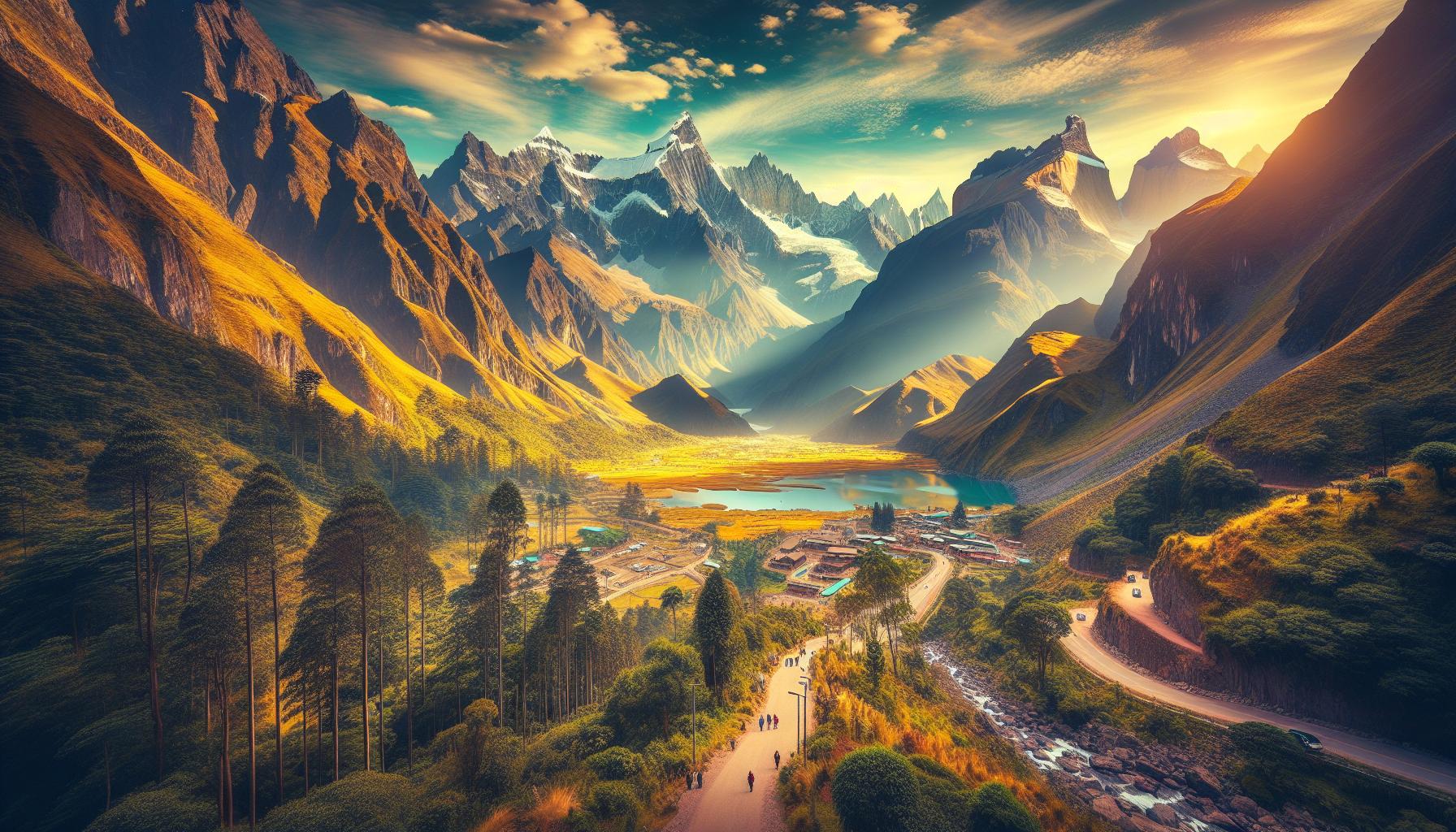
One of the most meaningful advantages of the Salkantay Trek is its stunning diversity of landscapes. As you traverse through high mountain passes, lush cloud forests, and wild jungles, you’ll witness an array of ecosystems that showcase Peru’s rich biodiversity. This trek not only provides breathtaking views of the snow-capped Salkantay Mountain but also allows you to experience the vibrant flora and fauna, which are often untouched by the tourist crowds that flock to the Inca Trail.
Additionally, the Salkantay route allows for greater versatility and fewer restrictions. Unlike the Inca Trail, which requires a permit and has limited available trekking days, the Salkantay Trek can be completed year-round, making it accessible for a wider range of travelers. Here are a few more benefits:
- Less Crowded: Experience the tranquility of the Andes without the hustle of large tour groups.
- Variety of Routes: With multiple trekking options, you can choose a route suited to your fitness level and time frame.
- Authentic Experience: Engage with local communities and enjoy traditional meals that reflect the culture of the region.
the adventurous nature of the Salkantay Trek adds to its appeal. The trek is designed for those who seek an authentic experience filled with physical challenges and rewarding views, making it ideal for hikers looking to experience the thrill of the Andes. Below is a simple comparison to illustrate some of the differences:
| feature | Salkantay Trek | Inca Trail |
|---|---|---|
| Access | Year-round | Limited to specific months |
| Crowd Size | Less crowded | Often overcrowded |
| scenic Variety | Diverse landscapes | Mountainous terrain |
| Community Interaction | High | Limited |
the Salkantay Trek is not only a beatiful alternative to the Inca Trail but also a chance to immerse yourself in nature and local culture, making it a top choice for trekkers headed to Machu Picchu.
Preparation Essentials for the Salkantay Trek: Gear, permits, and acclimatization
Embarking on the Salkantay Trek requires thorough preparation to ensure a safe and enjoyable experience as you make your way to the majestic Machu Picchu. Here are the essential elements you need to consider for your journey.
Gear: Having the right gear is crucial for trekking comfort and safety. Below is a list of essentials:
- Backpack: opt for a agreeable, lightweight backpack with good support, ideally around 50-70 liters.
- Footwear: invest in sturdy, waterproof trekking boots that are well-broken-in to avoid blisters.
- Clothing: Layering is key; bring moisture-wicking base layers, warm insulating layers, and a waterproof and windproof jacket.
- Sleeping bag: A four-season sleeping bag rated for temperatures below freezing is recommended.
- Hydration: A hydration system or water bottles, alongside purification tablets or a filter, to stay hydrated on the trail.
- First Aid Kit: Essential for handling minor injuries or ailments along the trek.
Permits: Prior to setting foot on the trail, ensure that you acquire the necessary permits. The Salkantay Trek does require trekking permits, and it is advisable to book these well in advance, especially during peak seasons. Typically, permits can be arranged through a trekking agency or online. Keep these documents in an easily accessible pocket throughout your journey.
Acclimatization: As the Salkantay Trek reaches altitudes of over 4,600 meters (15,300 feet), proper acclimatization is vital for a triumphant trek. It is recommended to spend a few days in Cusco or another high-altitude location before starting the trek. This can include:
- Hydrating: Drink plenty of fluids, preferably water and herbal teas, to help thin your blood and avoid altitude sickness.
- Gradual Climbing: Ascend slowly and permit your body to adjust to the altitude.
- Recognizing Symptoms: Familiarize yourself with symptoms of altitude sickness (headache, dizziness, nausea) to take proactive measures.
By adequately preparing with the right gear, securing permits, and allowing for acclimatization, you’ll be setting yourself up for an unforgettable trekking experience on the Salkantay route to Machu Picchu.
Day 1 of Your Adventure: What to Expect and How to maximize Your Experience
As you embark on the Salkantay Trek to Machu Picchu,Day 1 sets the stage for an exhilarating journey through breathtaking landscapes and rich cultural experiences.Expect to start your day early, invigorated by the crisp mountain air as you gather with your group for an energizing breakfast. The atmosphere is filled with excitement and anticipation, as trekkers share their stories and prepare for the adventure that lies ahead.
| What to Expect | Tips to maximize Your Experience |
|---|---|
| Stunning views of the Andes | Stay Hydrated: Drink plenty of water before and during the trek to keep your energy levels up. |
| Challenging Terrain | Wear Proper Footwear: Invest in sturdy hiking boots to ensure comfort and support on uneven paths. |
| Local Culture Interactions | Engage with Guides: Ask questions about the local traditions and history; they’re a wealth of knowledge! |
the journey kicks off with a gradual ascent, allowing you to acclimatize to the altitude while absorbing the lush beauty around you. Don’t rush; take your time to snap photos, breathe deeply, and connect with nature. As you traverse through diverse ecosystems,you’ll encounter local flora and fauna,which are often found only in these unique high-altitude environments.
Moreover, make the most of the trek by connecting with your fellow hikers. Share tips, stories, and motivation to enhance camaraderie within the group. Remember, this trek is not just about reaching Machu Picchu; it’s about embracing the culture, history, and landscapes that define the magnificent Salkantay route.Each step brings you closer to both your destination and a deeper thankfulness for the breathtaking world around you.
Navigating the Terrain: Understanding the Salkantay Route and Its Challenges
The Salkantay Trek to Machu Picchu is a journey through breathtaking landscapes, yet it also presents a series of challenges that every adventurer should be prepared for. As you embark on this trek, you’ll find yourself traversing a variety of terrains, ranging from lush valleys to high-altitude passes, each requiring a different approach and level of endurance.
Key challenges to consider include:
- Altitude Sickness: With portions of the trek reaching heights over 4,600 meters (15,092 feet), travelers may experience symptoms of altitude sickness. Acclimatization is vital, and spending a day in Cusco before starting the trek can significantly help.
- Weather Variability: Conditions can change rapidly in the Andes,with rain,snow,and sunshine all possible on the same day. Packing appropriate gear for both warm and cold weather is essential.
- Physical Demands: The trek typically covers around 74 kilometers (46 miles) over several days, requiring good physical fitness and stamina.Regular cardiovascular training before the trek will prepare you for the demanding ascents and descents.
- Navigational Challenges: Some paths may not be well-marked, making navigation a bit tricky. Bringing a trusty map or GPS device helps in avoiding any wrong turns along the way.
Another crucial aspect of the trek is understanding the terrain. The route is divided into segments that showcase the stunning diversity of the Andean ecosystem. A brief overview includes:
| Segment | Description | Distance |
|---|---|---|
| Humantay Lake | Glistening turquoise lake surrounded by snow-capped peaks. | 7 km (4.3 miles) |
| Salkantay Pass | Highest point of the trek, offering breathtaking panoramic views. | 12 km (7.5 miles) |
| Cloud Forest | Lush, biodiverse area with a variety of flora and fauna. | 13 km (8 miles) |
| Todos Santos | Traditional Andean village showcasing local culture. | 11 km (6.8 miles) |
Preparing for the Salkantay Trek requires attention to both physical fitness and logistical details, ensuring that you are well-equipped to overcome the various obstacles presented by this remarkable route. By understanding the challenges and the terrain, you can navigate the journey with confidence.
Cultural Encounters along the Salkantay Trek: Engaging with Local Communities
The Salkantay Trek offers more than just breathtaking landscapes; it serves as a gateway to authentic cultural exchanges that enrich the trekking experience.As you wander through the scenic paths, you’ll have the prospect to engage with local communities, each brimming with unique traditions and history. These encounters not only enhance your journey but also foster a deeper appreciation for the region’s rich cultural tapestry.
Along the trek, you might come across small Andean villages where traditional lifestyles are preserved. Travelers can:
- Participate in local festivals: Time your trek to coincide with a local festival for an unforgettable experience filled with music, dance, and vibrant costumes.
- Try traditional cuisine: Indulge in local dishes such as pachamanca, a flavorful meal cooked underground, or cuy chactado, fried guinea pig, which locals proudly serve.
- Learn about traditional crafts: Many local artisans welcome visitors to observe or participate in their craft, whether it be weaving textiles or pottery.
Moreover, local guides who belong to these communities can provide invaluable insights into their customs and daily life. Engaging with these knowledgeable individuals adds richness to your trekking experience. Here’s a glimpse of what you can learn from them:
| Learning Aspect | Description |
|---|---|
| Language | Basic Quechua phrases to connect with locals. |
| farming Techniques | Insights into lasting farming practices and crops unique to the region. |
| Spiritual Beliefs | Understanding the significance of the Andean cosmovision in daily life. |
Each interaction shapes a more profound connection to the mystical land of the Incas, transforming a simple trek into a journey through time and culture.consider setting aside time for these cultural encounters—your trek will be all the richer for it.
Health and Safety tips for Trekking: Staying Safe and Healthy on the Trail
Embarking on the Salkantay Trek to Machu Picchu is a thrilling adventure that demands preparedness. To ensure a safe and enjoyable experience, consider the following essential tips:
- Stay Hydrated: Aim to drink at least 2-3 liters of water daily. altitude can dehydrate you faster than usual.
- Acclimatize Properly: Spend a day or two at higher altitudes before starting your trek to allow your body to adjust.
- Dress in Layers: Temperatures can vary dramatically. Wear moisture-wicking base layers and pack a warm outer layer.
- Know Your limits: Listen to your body. If you feel unwell,don’t hesitate to take a break or descend.
First aid knowledge can be invaluable on the trail. Carry a well-stocked first aid kit and be familiar with:
| common Ailments | Simplified Treatment |
|---|---|
| Altitude Sickness | Descend to lower altitudes and drink plenty of fluids. |
| Bumps and Bruises | Rest, ice the area, and elevate if possible. |
| Sunburn | apply sunscreen regularly and wear UV-protective clothing. |
| Dehydration | Increase fluid intake and rest in the shade. |
Lastly, stay connected.Inform someone of your itinerary and expected return time. Consider using a GPS device or walkie-talkies if you’re trekking in a group, as signal reception can be spotty. Adhering to these health and safety tips will greatly enhance your trekking experience, allowing you to fully enjoy the breathtaking beauty of the Salkantay Trail and the destination that awaits at Machu Picchu.
Concluding Your Journey: Arriving at Machu Picchu and Reflecting on Your Experience
Arriving at Machu Picchu is nothing short of a breathtaking revelation. After days of navigating through stunning landscapes, you finally stand before the ancient Incan citadel.The moment you set foot within the ruins, a sense of accomplishment washes over you, accompanied by a profound connection to the history and culture of this incredible site. Take a moment to absorb the grandeur that surrounds you—towering peaks, terraced slopes, and the intricate stonework that has withstood the test of time.
Reflecting on your journey, it’s essential to acknowledge the challenges and triumphs that came with the trek. The Salkantay Trek is not just a physical journey; it’s a path of self-discovery and resilience. Many trekkers often note the following aspects of their experience:
- Physical Endurance: Pushing your limits and achieving goals you didn’t think possible.
- Cultural Discovery: Interacting with locals and gaining insights into their way of life.
- Natural Beauty: Experiencing diverse ecosystems, from lush forests to stark mountain landscapes.
- Mindful Moments: Finding tranquility in the midst of adventure, allowing for introspection.
Your reflections might also lead to valuable insights about preparation and adaptability. Regardless of the obstacles faced—be it altitude sickness, unpredictable weather, or physical fatigue—each moment contributes to the rich tapestry of your adventure. It’s worth pondering how this experience has shaped your perspective on travel and exploration.
To encapsulate the essence of your journey,consider keeping a journal or creating a photo album. Here’s a simple format to organize your thoughts:
| Reflection Aspect | Personal Insights |
|---|---|
| Challenge Faced | Learning to embrace discomfort, leading to personal growth. |
| Favorite Memory | Gazing at the sunrise over the ruins, a moment of pure magic. |
| Lessons Learned | The importance of perseverance and preparation in adventuring. |
Ultimately,Machu Picchu serves as a powerful reminder of the beauty and meaning found in exploration. Each tribute to the journey taken not only honors the destination but also enriches your life story.
Frequently asked questions
What is the Salkantay Trek, and why is it popular among trekkers?
the Salkantay Trek is an alternative trek to the Inca Trail leading to the iconic Machu picchu and is gaining popularity among both seasoned trekkers and adventurers. this route offers stunning landscapes,diverse ecosystems,and cultural insights,making it a memorable journey. The trek spans approximately 74 kilometers (around 46 miles) and generally takes about five days to complete, even though some itineraries may vary.
One of the primary reasons for its popularity is the breathtaking scenery trekkers encounter along the way. The trek begins at a high altitude near the Salkantay Mountain, one of the tallest peaks in the Peruvian Andes, standing at 6,271 meters (20,574 feet). Trekkers are treated to snow-capped mountains, lush green valleys, and local farms. Moreover, the trail is less crowded than the Inca Trail, allowing for a more intimate experience with nature and the ancient landscapes while enjoying moments of solitude and reflection.
Additionally, the cultural richness of the trek cannot be overlooked. Along the trail, travelers have the opportunity to interact with the local Quechua communities, learning about their customs, traditions, and daily living. This interaction is frequently enough highlighted through local meals prepared by the guides and porters, showcasing authentic Peruvian cuisine, which enhances the trekking experience and provides a glimpse into the local way of life.
What should I expect on the first day of the Salkantay Trek?
On Day 1 of the Salkantay Trek, you will embark on a journey that sets the tone for the adventures ahead. Trekkers usually start in Mollepata, which is reachable by a two to three-hour drive from Cusco, the main starting point for many treks in Peru. After starting the day early, participants often enjoy breakfast in mollepata and can catch sight of the remarkable mountains in the background.Once the trek begins, expect the terrain to fluctuate between cozy village paths and expansive landscapes. The first segment typically takes approximately 10 to 12 hours, depending on your pace and breaks. The first official campsite is commonly reached after trekking 14 kilometers (about 8.7 miles), where many adventurers settle down for the night. Challenging ascents in this initial leg will test your endurance but reward you with spectacular views of the surrounding Andes.
Additionally, the weather can be unpredictable on this day, so preparing for temperature changes is vital. Packing layers like a breathable base layer, an insulating jacket, and a waterproof outer layer will keep you comfortable. As you trek, stay hydrated, and don’t shy away from snapping photos; the day’s experience typically culminates in a group dinner at the campsite, celebrating the accomplishment of making it through the first day and building camaraderie among trekkers.
what equipment and gear are essential for the Salkantay Trek?
Having the right equipment and gear is crucial for making the Salkantay Trek enjoyable and safe. While some organizations provide gear such as tents and cooking equipment, trekkers should prepare personally for their daily needs. Here is a list of essential gear to consider:
- Backpack: A sturdy and comfortable daypack (25-30 liters) is ideal for carrying your essentials, including water, snacks, and an extra layer.
- Footwear: Invest in high-quality trekking boots that provide ankle support and are broken in before the trek. The trails can be rugged, and appropriate footwear will help prevent blisters and discomfort.
- Clothing Layers: Packing moisture-wicking clothing, thermal layers, and a waterproof jacket is vital. Temperatures can vary widely; it can be very cold at night and warm during the day, so layering allows for adjustability.
- Sleeping Gear: If you’re not using rentals, a lightweight sleeping bag rated for colder temperatures is recommended since nighttime at higher altitudes can be chilly.
In addition to personal items,don’t forget crucial accessories like a first aid kit,headlamp,and water purification tablets. Trekking poles can also be beneficial, particularly on steep sections, to help reduce strain on your knees.
How does altitude impact the Salkantay Trek experience?
The Salkantay Trek takes you through high-altitude terrains, with several areas exceeding 4,600 meters (15,000 feet). Due to these elevations, understanding altitude sickness is paramount for a safe experience. Altitude illness can manifest in various symptoms, including headaches, nausea, dizziness, and fatigue. It is indeed recommended that trekkers spend at least a couple of days in Cusco before starting the trek to acclimatize to the altitudes adequately.
During the trek, it’s essential to stay hydrated—2-3 liters of water per day is generally advised. Drinking water helps combat the dehydrating effects of high altitude. Additionally, incorporating “climb high, sleep low” strategies during the trek allows your body to adjust gradually. This means, when possible, you climb to a higher elevation during the daytime, then return to lower altitudes to sleep.
Most trekking organizations are well-versed in this issue and monitor passengers for symptoms of altitude sickness. If symptoms become severe, there are contingency plans in place, such as descending to lower elevations. It’s always wise to listen to your body and communicate with your guides if you feel unwell, as they are trained to handle altitude-related issues effectively.
what are the unique landscapes and attractions along the Salkantay Trek?
The Salkantay Trek is renowned for its diverse and stunning landscapes encountered over just a few days. As trekkers make their way toward Machu Picchu, they traverse different ecological zones, from snow-capped mountains to lush jungles. On Day 1, trekkers often set their sights on the magnificent salkantay Mountain, with its towering presence and glaciers glistening against the blue sky—a sight often described as humbling and awe-inspiring.
Throughout the trek, landscapes shift dramatically. As an example, after passing the majestic Salkantay Pass at nearly 4,600 meters (15,091 feet), the trek transitions into valleys filled with verdant flora, waterfalls, and remote Andean villages. An example is Humantay Lake,high up in the mountains,known for its stunning turquoise waters framed by towering peaks. Many trekkers find this area a highlight, often stopping for photography or simply soaking in the glistening scenery.
As the journey progresses, hikers will also encounter ancient agricultural terraces and remnants of Incan trails, offering glimpses into historical and cultural aspects of the region. The final stretch brings trekkers into the cloud forest, where the dynamic ecosystems host vibrant wildlife and exotic plants. This variety of landscapes not only enriches the trekking experience but provides multiple vistas to appreciate the natural beauty and cultural significance of the Andean region.
How can I prepare physically for the Salkantay Trek?
Preparing physically for the Salkantay Trek is essential for ensuring that you can enjoy the experience to its fullest. While trekkers of all fitness levels can participate, those who engage in physical training beforehand will likely find the trek more manageable. It is recommended to commit to a balanced fitness regimen—aiming for about three to six weeks before departure will provide noticeable benefits.
Incorporate a combination of cardiovascular, strength, and flexibility exercises. Hiking or walking on varied terrains with a loaded backpack mimics the trekking conditions and will help build endurance. Engage in aerobic activities such as running, cycling, or swimming for at least 30 minutes three to four times a week. Gradually increase the intensity and duration of your workouts to build stamina.
Additionally, working on your core strength and leg muscles through exercises such as squats, lunges, and planks will improve your stability and strength on uneven surfaces during the trek. Lastly,consider practicing breathing techniques and stretching to enhance your lung capacity while helping your body acclimatize to the altitude. Proper preparation will greatly enhance your overall trekking experience and enjoyment of the breathtaking landscapes on route to Machu Picchu.
Key Takeaways
As you gear up for your adventure along the Salkantay trek to Machu Picchu, remember that this journey is more than just a hike; it’s an immersion into breathtaking landscapes, rich history, and vibrant culture.Begining on Day 1, you’ll encounter the towering peaks of the Andes, navigate through lush valleys, and experience the diverse ecosystems that make this trek so unique. With every step, you’ll gain not only a deeper appreciation for Peru’s natural wonders but also the exhilarating reward of arriving at one of the world’s most iconic archaeological sites.
Equipped with tips on preparation, acclimatization, and what to expect, you can set out with confidence, ready to tackle the challenges ahead. Whether you’re a seasoned trekker or a beginner, the Salkantay trek offers a memorable experience that combines adventure and serenity. So lace up your boots, pack your essentials, and embark on this unforgettable journey to Machu Picchu. Your adventure awaits!