

How Do You Say Beach Bum in Italian? Language Essentials
Are you dreaming of sun-soaked shores and the sweet sound of waves lapping against the sand? If your heart belongs to the beach but your language skills are stiffer than a sunburned tourist after too many piña coladas, then look no further! In our delightful guide, “How Do You Say Beach Bum in Italian? Language Essentials,” we’ll not only help you achieve beach-ready fluency, but we’ll also ensure you can confidently order your gelato and discuss your passion for lounging with local sun-worshippers. So grab your sunglasses and let’s dive into the sunny side of the Italian language—because every beach bum deserves to express their laid-back lifestyle, anche in italiano!
Understanding the Phrase Beach Bum in Italian
The Italian phrase that closely translates to “beach bum” is “tuffatore” or “trascurato”, depending on the context and the connotations you wish to convey. A tuffatore refers to someone who loves to dive into the water and enjoy the beach atmosphere, often embodying a carefree attitude while soaking up the sun. In a more casual, fun-loving context, “trascurato” can imply someone who is laid-back and possibly neglectful of their appearance, fitting the stereotype of a beach bum perfectly.
Furthermore, in Italy, beach culture is embraced with passion, and those who frequent the coast often take on the persona of a beach bum in various playful ways. Here are some characteristics that define this lifestyle:
- Relaxed Attitude: Embracing leisurely days filled with sun and sea.
- Casual Fashion: Wearing pleasant, light clothing typically made for warm weather.
- Socializing: Enjoying the company of friends and family on the beach.
When discussing this concept in conversation, you might hear phrases such as “vivere come un tuffatore” (Living like a beach bum) or “Essere un trascurato del mare” (Being a beach bum of the sea). These expressions reflect the love for a relaxed beach life while capturing the spirit of those who thrive in sunny coastal environments.
Cultural Significance of the Beach Bum Lifestyle in Italy
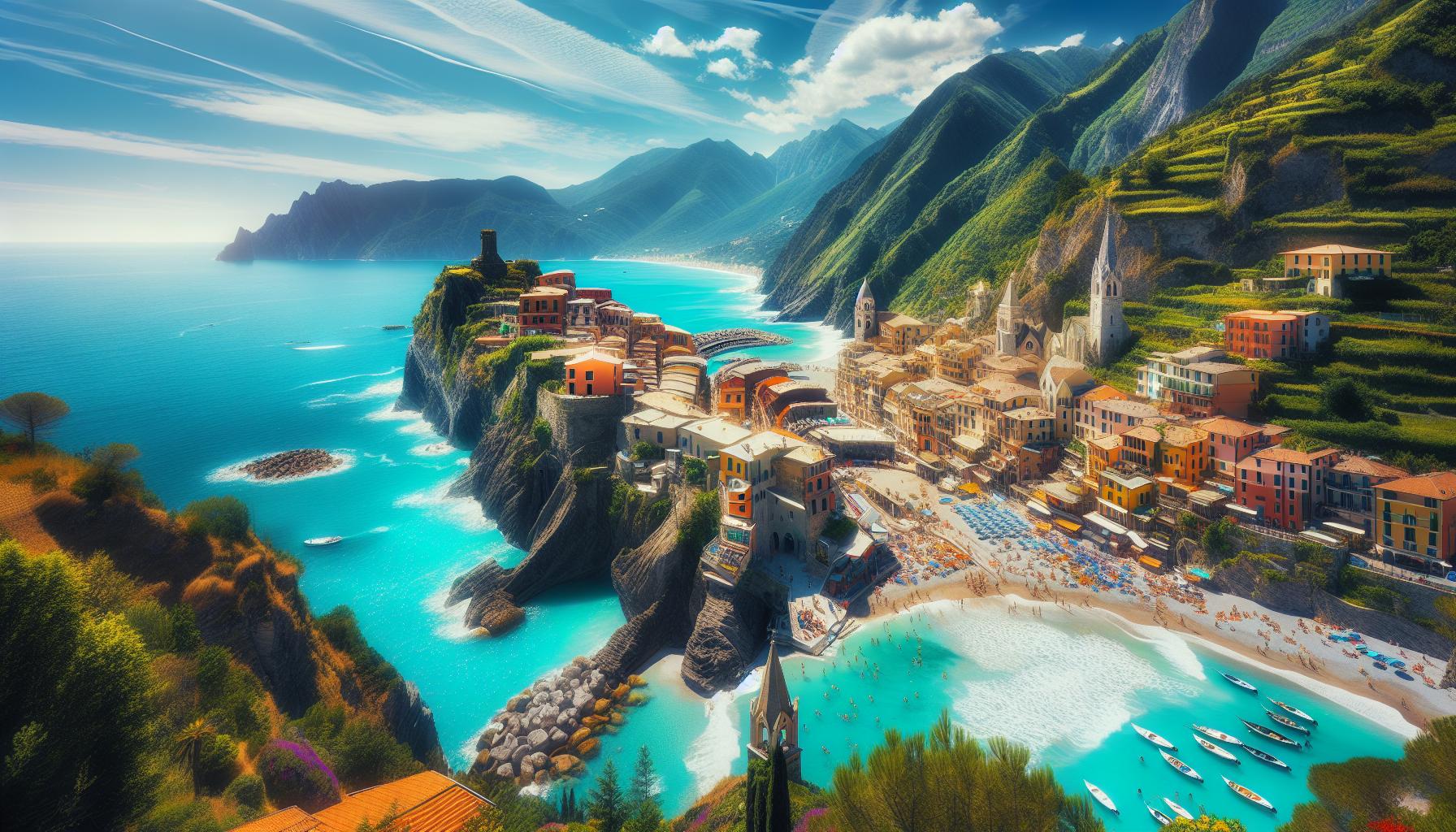
The beach bum lifestyle in Italy is not merely a way of life; it embodies a rich tapestry of cultural identity,social interaction,and historical significance.Coastal towns, especially in regions like Liguria, Sicily, and Tuscany, have nurtured communities where leisure and relaxation intertwine with local traditions. Here, the beach isn’t just a destination but a vital part of the Italian way of life, where the rhythm of the waves coincides with the heartbeat of communal gatherings.
Key elements of this lifestyle include:
- Social Exchange: The beach serves as a social hub, where everyone from families to groups of friends come together to enjoy the sun and engage in lively conversations, fostering a sense of belonging.
- Local Cuisine: Italian beach culture prominently features culinary delights, with seaside restaurants offering fresh seafood and regional specialties, enhancing the experience of relaxing on the shore.
- Tradition and Ritual: Many Italian coastal towns celebrate annual festivals that coincide with the summer season, drawing locals and tourists alike to partake in unique rituals that celebrate community and heritage.
Moreover,the concept of “dolce far niente” – the sweetness of doing nothing – is intrinsic to this lifestyle. It honors the art of relaxation, encouraging individuals to step away from their busy lives and embrace leisure. This cultural philosophy nurtures a mindset that appreciates the simple pleasures of life,thereby encouraging stronger familial bonds and community ties.
Regional Comparison of Beach Bum Lifestyle
| Region | Key Features | Common Activities |
|---|---|---|
| Liguria | Colorful beach resorts, dramatic coastline | Sunbathing, hiking, frequenting coastal eateries |
| Sicily | Rich history, cultural festivals | Exploring ancient ruins, enjoying street food |
| Tuscany | Rolling hills, charming villages | Wine tastings, artistic workshops by the beach |
the <a href="https://www.beachwalktampa.com/affordable/what-is-a-beach-bum-discover-the-lifestyle-and-meaning/” title=”What Is a Beach Bum? Discover the Lifestyle and Meaning”>beach bum lifestyle in Italy is a celebration of the coastal surroundings and its impact on social dynamics, hospitality, and regional pride. It’s where tradition meets modernity, allowing each visit to the shoreline to be a unique experience rooted in the ever-evolving Italian culture.
Common Italian Expressions Related to Beach Culture
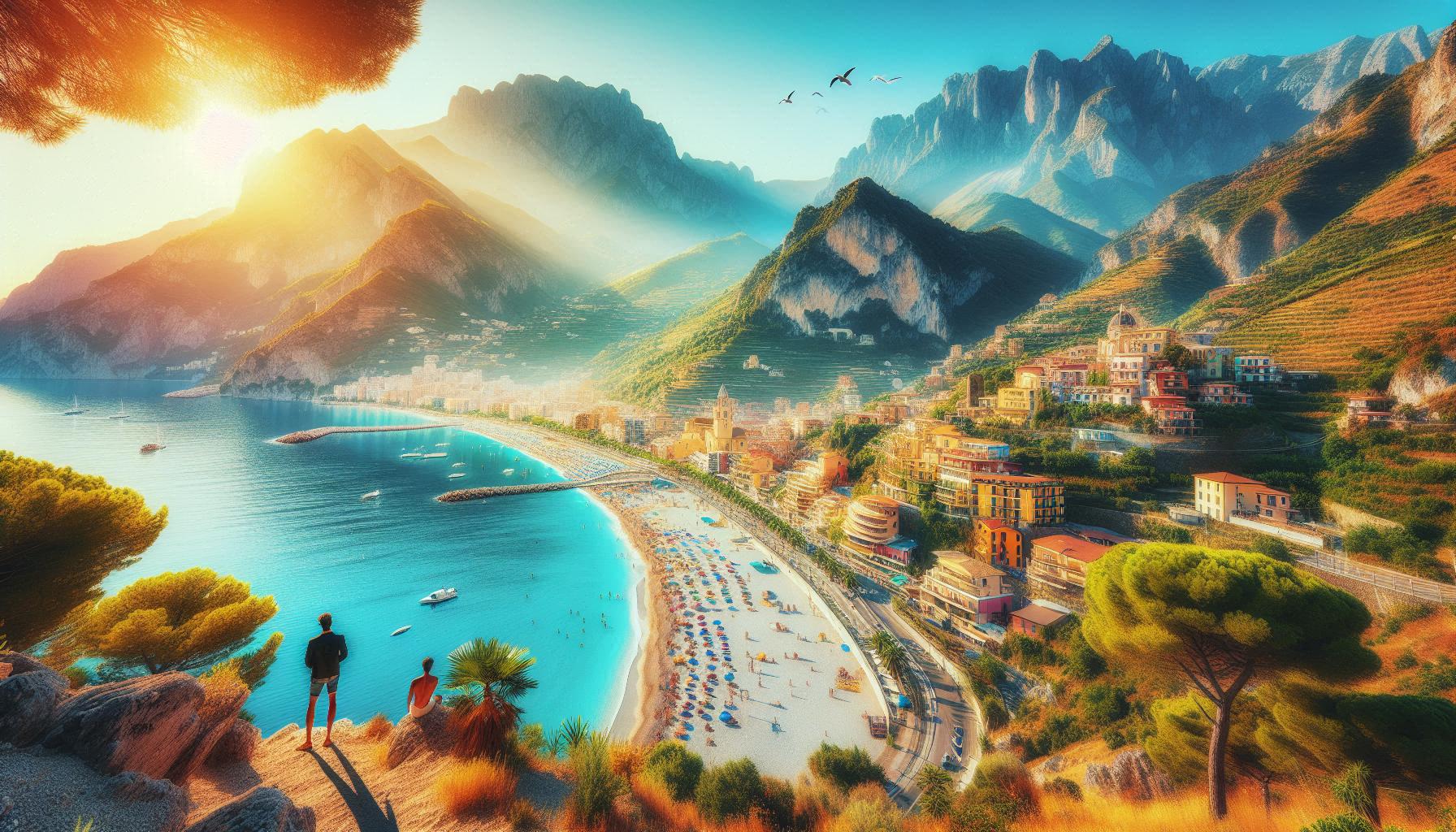
Italian beach culture is as vibrant and lively as its coastal landscapes. To truly immerse yourself in this sun-drenched lifestyle, familiarizing yourself with some common Italian expressions can enhance your experience. Here are a few phrases that capture the essence of life by the sea:
- Fare il bagnino – To be a lifeguard, a vital role at any beach.
- Prendere il sole – To sunbathe, a favorite pastime of beachgoers.
- Fare una nuotata - To take a swim, the perfect way to cool off.
- Stare in spiaggia – To stay at the beach, where relaxation reigns supreme.
- Fare un picnic sulla spiaggia – To have a beach picnic, a delightful way to enjoy local snacks and good company.
Moreover, when you find yourself lounging on the sands, you might hear locals using slang unique to their beach experience. Here’s a rapid glance:
| Expression | Meaning |
|---|---|
| Piscina naturale | Natural swimming pool |
| Capanna da spiaggia | Beach hut |
| Tramonto al mare | Sunset at sea |
| Buffet di pesce | Seafood buffet |
Understanding these expressions not only aids dialog but also enriches your appreciation of Italian beach life. Weather lounging under the sun or enjoying a sunset, these terms are bound to make your experience more authentic and enjoyable.

Pronunciation Tips for Mastering Italian Language Essentials
Mastering pronunciation is key when learning italian, not just for being understood but also for immersing yourself in the language’s melodic nature. here are some essential tips to help you articulate common phrases, including the charming term for “beach bum.”
- Vowel Sounds: Italian vowels are pure and distinct. Such as, the letter “a” is pronounced like ‘ah,’ “e” like ‘eh,’ “i” like ‘ee,’ ”o” like ’oh,’ and “u” like ‘oo.’ Getting comfortable with these sounds will enhance your overall pronunciation.
- Consonant Clarity: Italian consonants often maintain a stronger emphasis than they do in English. Practice pronouncing double consonants as well, such as in the word “pizza,” where the “zz” requires a longer articulation.
- Syllable Stress: In Italian, syllable stress can change the meaning of words. typically, stress falls on the penultimate (second-to-last) syllable in most cases. For the phrase “beach bum,” the stress will fall naturally depending on how you structure the Italian equivalent.
- Listen and Repeat: Engage with native speakers or media. Listening to music, podcasts, or shows in Italian will help you understand the rhythm and pronunciation nuances. Repeating phrases out loud will build muscle memory for speech.
Here’s a simple breakdown of the pronunciation of terms related to “beach bum” in Italian:
| English | Italian | Pronunciation Guide |
|---|---|---|
| Beach Bum | Au Spaghetti | ow spah-get-tee |
| Relaxation | Relax | reh-lahks |
| Sunbathing | Abbronzatura | ah-bbron-zah-tura |
By focusing on these pronunciation aspects and practicing regularly, you will gain confidence and a more authentic sound when speaking Italian. Whether you’re lounging on the shores of the Amalfi Coast or simply reminiscing about your last beach vacation, knowing how to articulate your thoughts in Italian will enhance your experience.

Exploring regional Variations of Beach Terminology in Italy
Italy’s extensive coastline and diverse cultural influences contribute to a rich tapestry of beach terminology that varies from region to region. Understanding these variations offers engaging insights into local lifestyles and attitudes toward the beach. Across different coastal areas, you may encounter unique terms and phrases that hold specific meanings rooted in local customs and dialects.
For instance,in the northern regions,where beaches are often dotted with fashionable resorts,you might hear locals refer to the beach as “spiaggia”. Conversely, in the southern regions, like Calabria and Sicily, you may encounter the term “lido”, which denotes not only the beach but also the establishment that provides amenities such as sun loungers and umbrellas.
Below is a table summarizing some key regional beach-related terms in Italy:
| Region | Term | Meaning |
|---|---|---|
| lombardy | Spiaggia | general term for beach |
| Liguria | Bagnino | Beach attendant or lifeguard |
| Campania | Bagno | Beach establishment or bathing area |
| Calabria | Lido | Public or private beach area with facilities |
| Sicily | Stabilimento balneare | Dedicated beach club or facility |
Along with these terms, Italy’s rich regional dialects lead to local expressions that might elude non-natives. In dialect-rich areas, descriptors like “fresca” might be used to convey the idea of a refreshing beach day, encapsulating the essence of leisure that characterizes Italy’s beach culture.
Ultimately, whether you’re lounging on the iconic beaches of Sardinia or soaking in the vibrant atmosphere of Amalfi, familiarizing yourself with local beach terminology not only enhances your experience but also deepens your appreciation for Italy’s diverse coastal heritage.
Recommended Resources for Learning Italian Slang
To truly grasp the colorful and vibrant world of Italian slang, diving into the right resources is essential. Here’s a curated selection to help you navigate the nuances and enhance your conversational skills:
- Books:
- “Italian Slang: The Fun Way to Learn” – An engaging exploration of informal expressions and phrases.
- “Complete Italian Grammar” – A comprehensive guide that includes a section on colloquial language.
- Online Courses:
- Udemy – “Italian Slang & Idioms” - A video-based course designed to introduce learners to slang in context.
- Babbel – Offers specific modules on conversational Italian that often incorporate slang and idiomatic expressions.
- Websites:
- ItalianPod101 – Features podcasts and video lessons focusing on everyday language, including slang.
- FluentU – Utilizes real-world videos to teach slang in a naturally integrated way.
| Resource Type | Example | Key Feature |
|---|---|---|
| Book | “Italian Slang: The fun Way to Learn” | Vivid illustrations and examples |
| Online Course | Udemy – “Italian Slang & Idioms” | Interactive quizzes and community feedback |
| Website | FluentU | Real-world video context |
Engaging with these resources will deepen your understanding not just of Italian slang, but of the culture that nurtures it. As you explore, keep a journal to jot down new expressions and their contexts; this will substantially boost retention and fluency!
Real-Life Contexts: Using Beach Bum in Conversations
When conversing in Italian, it’s essential to understand the cultural nuances that accompany certain phrases, such as ”beach bum.” This term captures not just a lifestyle but a state of mind embraced by many who love the sun-soaked shores.In Italy, instead of using the exact English translation, you might hear locals refer to someone who embodies this laid-back, beach-loving persona as a “amante della spiaggia” or a “pigro del mare.”
To incorporate this phrase into conversations, consider the following scenarios:
- Talking about vacation: ”L’anno scorso, ero un amante della spiaggia a Positano!” (Last year, I was a beach bum in Positano!)
- Describing a friend: “Marco è un vero pigro del mare; non riesce a stare lontano dalla spiaggia.” (marco is a true beach bum; he can’t stay away from the beach.)
- Planning a trip: “Non vedo l’ora di diventare un amante della spiaggia a Sardegna!” (I can’t wait to be a beach bum in Sardinia!)
In casual Italian dialogues, humor frequently enough plays a significant role. A playful tease about someone’s love for lounging at the beach can deepen friendships and ease conversations. Use expressions such as:
| Italian Phrase | English Translation |
|---|---|
| Sei un amante della spiaggia, vero? | You’re a beach bum, aren’t you? |
| Non esiste vita senza il mare! | There is no life without the sea! |
| Dove sei andato in vacanza? Alla spiaggia, ovviamente! | Where did you go on holiday? To the beach, obviously! |
These phrases not only enrich your vocabulary but also enhance the experience of interacting with native Italian speakers, allowing you to resonate more deeply with their lifestyle and culture centered around the beach and relaxation.
tips for Immersing Yourself in Italian Beach Culture
To truly embrace the italian beach culture, one must dive into the unique traditions and lifestyles that define coastal life in Italy. Here are some insider tips to help you blend in and fully experience the local vibe:
- Time Your Visit: Understand that Italians value their afternoons, especially during the summer. Many locals take a break from the sun between 1 PM and 4 PM. Join them for a leisurely lunch at a nearby trattoria instead of staying out on the beach.
- Try Local Delicacies: Sample the local seafood dishes, gelato, and fresh fruit. don’t hesitate to visit beachside kiosks known as “chioschi” for a quick bite or to enjoy a refreshing spritz.
- invest in a Beach Umbrella: Consider renting or buying a beach umbrella. Not only does this provide shade from the sizzling sun, but it also demonstrates your commitment to ‘la dolce vita’—the sweet life. Pro tip: opt for a colorful one, as vibrant shades are favored here!
- Engage with Locals: Brush up on casual Italian phrases and greetings to connect with locals. Nothing breaks the ice better than a warm “Buongiorno!” or “Ciao!” at the beach.
Additionally, understanding local etiquette can enhance your beach experience:
| Beach Etiquette | details |
|---|---|
| Quiet Hours: | Keep noise levels down in the late afternoon, respecting others’ need for relaxation. |
| Sun Lounger Protocol: | Arrive early if you want a prime spot,as the best spots fill up quickly on sunny days. |
| Keep it Clean: | Properly dispose of trash; Italians take pride in their beautiful beaches. |
By engaging with the local customs and embracing the laid-back beach lifestyle,your holiday will not only be memorable but you’ll also feel like a true Italian at heart.
Faq
How do you say ‘Beach Bum’ in Italian?
To say “beach bum” in Italian, you would typically use the phrase “poco di buono” or “fannullone di spiaggia.” The term “poco di buono” translates more literally to someone who doesn’t do much good, reflecting the laid-back, leisurely attitude of a beach bum.Alternatively, “fannullone” conveys the idea of someone who is lazy or idle, but when combined with “di spiaggia” (meaning “of the beach”), it specifically captures the essence of a beach bum.
In casual conversations or among friends, you may also come across local alternatives or slang variations that differ from region to region in Italy.This highlights the importance of cultural context and regional dialects when learning a new language. While Italians may not use the term “beach bum” in the same way as in English, the idea of enjoying a sun-soaked day at the beach while being carefree is universally understood.
What cultural significance does the term ‘beach bum’ hold in Italy?
The term “beach bum” embodies a laid-back lifestyle that resonates with many cultures, including Italy’s coastal communities. In Italy,especially along its extensive coastline,such as the Amalfi Coast or the beaches of Sicily,there is a strong culture centered around la dolce vita,which translates to “the sweet life.” This concept encapsulates a philosophy of enjoying leisure, good food, and the beauty of life, often represented by long hours spent at the beach.Moreover, the Italian beach culture is characterized by various customs such as setting up an umbrella, having a picnic, and socializing with friends and family. The concept of a beach bum fits perfectly within this framework, as it celebrates a relaxed attitude toward life away from the hustle and bustle of daily responsibilities. Consequently, when Italians refer to someone as a beach bum, it is often done with a sense of humor and endearment, portraying a lifestyle centered around pleasure and leisurely pursuits.
What are some alternative phrases related to beach life in Italian?
In addition to “poco di buono” and “fannullone di spiaggia,” there are several other phrases that encapsulate beach life in Italian. Some common expressions include:
- “Amante della spiaggia” – This phrase means “lover of the beach,” which conveys a positive and keen relationship with beach life.
- “Giorni di sole” – This translates to “sunny days,” representing the joy and relaxation associated with beach outings.
- “relaxare al sole” – Meaning “relaxing in the sun,” this phrase is commonly used to describe one of the main activities engaged in by beachgoers.
These phrases not only enhance your vocabulary related to beach culture but also provide insight into the Italian language’s poetic and catchy expressions. Using these phrases can enrich conversations about holidays or vacations in Italy, adding a touch of authenticity and local flavor.
How can I incorporate the phrase ‘beach bum’ into everyday conversations in Italian?
When incorporating the phrase “beach bum” or its Italian equivalents into everyday conversations, context is key. If you are speaking about a beach vacation, you might say, “Sono un fannullone di spiaggia durante l’estate,” which translates to “I’m a beach bum in the summer.” This usage highlights your enjoyment of carefree beach days and can trigger discussions about shared experiences among friends, family, or even locals.
Additionally, consider using this phrase while discussing travel plans or reminisce about past beach trips, allowing you to share stories and experiences. As an example, “L’anno scorso ero un poco di buono a San Vito Lo Capo” (Last year, I was a beach bum in San Vito Lo capo).This approach not only showcases your language skills but also creates an inviting and engaging dialogue with listeners who can relate to the joys of the beach.
Why is it significant to learn idiomatic expressions like ‘beach bum’ in another language?
Learning idiomatic expressions like “beach bum” in another language like Italian is essential for several reasons. Firstly, idioms provide insights into the culture and mindset of native speakers, enriching your understanding of how they view leisure and vacations. Expressions frequently enough embody values, humor, and social norms, giving context to everyday conversation beyond mere vocabulary and grammar.
Additionally, using idiomatic expressions can enhance your fluency in the language. It makes your speech sound more natural and can help you connect with native speakers on a more personal level.Engaging with these expressions frequently enough leads to deeper conversations and helps in navigating social situations, whether it’s making friends or engaging in local cultures while traveling.
What are some tips for learning Italian phrases and idioms effectively?
Learning Italian phrases and idioms, including terms like “beach bum,” can be made easier through various effective strategies:
- Use Flashcards: Create flashcards with both the idiomatic expression and its meaning. This technique is particularly helpful for solidifying memory.
- Incorporate Language Apps: utilize apps like Duolingo or Babbel that focus on idiomatic expressions integrated within their curricula.
- Practice Speaking: Engage with native speakers through language exchange platforms or conversation groups. Practice enables you to hear how expressions are used in real-life scenarios.
- Cultural Immersion: Consume Italian media, such as films, music, or books, to hear idiomatic expressions in context, allowing a richer understanding and better retention.
By adopting these methods, learners can effectively expand their vocabulary and internalize the nuances of the Italian language, making their communication more fluid and engaging.
The Conclusion
understanding how to express the concept of a “beach bum” in Italian not only enriches your language skills but also deepens your cultural appreciation of Italy’s sun-soaked coasts. By using terms like “vaga-bondaggio” or “mollusco”, you’ll find that Italian speakers resonate with the laid-back, carefree spirit that accompanies beach life. This knowlege empowers you to engage more meaningfully with locals and enhances your travel experiences. So, as you prepare for your next Italian getaway or simply wish to impress your friends with your linguistic prowess, remember these phrases that capture the essence of relaxation by the seaside. Embrace the joy of learning and let your travels be a testament to the vibrant exchange of language and culture!
Get our latest guides, news, and insights highlighted in your Google Search & AI Overviews.